What Degree Do You Need To Be A Dental Hygienist?
Embarking on a career as a dental hygienist is an exciting journey that promises both personal and professional fulfillment. To step into this vital role in oral health care, you must first understand the educational requirements that pave the way.
Most aspiring dental hygienists will need to earn an associate degree in dental hygiene from an accredited institution, which combines both theoretical knowledge and practical experience.
Hands-On Clinical Training: A Critical Component
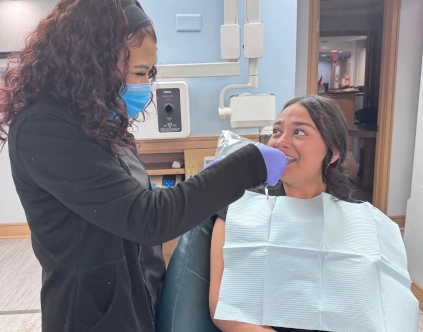
One of the standout features of an accredited dental hygiene program is the hands-on clinical training that accompanies classroom instruction. Students gain extensive experience working directly with patients under the supervision of licensed professionals. This practical exposure not only builds confidence but also hones the skills necessary to perform dental cleanings, take X-rays, and educate patients on oral hygiene practices.
Alternative Degree Options: Bachelor’s and Beyond
While an associate degree is the most common pathway, some dental hygienists choose to pursue a bachelor’s degree in dental hygiene. This option can provide a deeper understanding of public health, healthcare administration, or education, opening doors to management positions or teaching opportunities. Additionally, some programs offer online options for those looking to balance their education with other commitments.
Career Opportunities for Dental Hygienists
With the right educational background, dental hygienists can find rewarding career opportunities in various settings. These include private dental practices, hospitals, public health clinics, and educational institutions. Dental hygienists play an essential role not only in performing clinical duties but also in promoting oral health education and preventative care, making a significant impact on community health.
What Skills are Essential for Success?
While education lays the groundwork for a career in dental hygiene, certain skills can enhance your effectiveness in this role. Strong communication skills are vital in educating patients about oral care and fostering a comfortable environment. Additionally, manual dexterity and attention to detail are crucial for performing precise dental procedures.
Dental hygiene is a dynamic field that continually evolves with advancements in technology and research. To maintain licensure and stay updated with best practices, many dental hygienists engage in continuing education courses. This ongoing learning not only contributes to personal professional growth but also ensures that patients receive the highest quality of care.
FAQs
What degree is required to become a dental hygienist?
An associate degree in dental hygiene from an accredited program is typically required to become a dental hygienist.
Do I need to pass any exams to become licensed as a dental hygienist?
Yes, you must pass the National Board Dental Hygiene Examination and any state-specific examinations to obtain licensure.
Can I pursue a bachelor’s degree in dental hygiene?
Absolutely! Many dental hygienists choose to further their education with a bachelor’s degree to open up additional career opportunities.
You're 12 weeks from the dental assistant career you deserve.